Finding the best forestry equipment for timber and logging work is more than just picking the biggest machine; it’s about choosing the right tool for the ground you work on, the trees you cut, and the way you run your business. Working with timber and cutting down trees is tough work. It’s a job where mistakes cost time and money. If you are cutting trees on your own land or running a professional logging crew, success often depends on one thing: your machines.
In the forest today, speed and smart work are everything. We no longer rely only on people with axes and handsaws. Now, we use powerful hydraulic machines that can cut, clean, and move wood incredibly fast. This guide will help you understand the main types of big machines needed to keep your wood yard full and your trucks busy.
The Power Players: Machines That Cut Down Trees
The logging process starts when the tree falls. The machine you use to cut the trees sets the pace for everything else. If you can’t get the trees down fast, the other machines and trucks just sit there, wasting fuel and time.
Feller Bunchers: The Fast Choppers
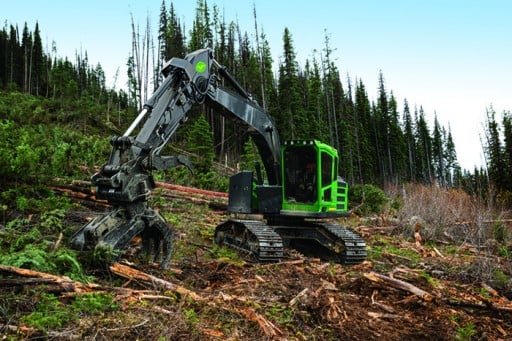
For cutting a lot of trees quickly on ground that is mostly flat, the feller buncher is the best choice. These machines grab a tree, cut it at the bottom using a fast saw or giant shears, and hold it up. The clever part is “bunching”—the machine can hold several smaller trees before putting them down in neat piles (bunches). This makes it easy for the next machine to grab them.
Feller bunchers with wheels are fast and can move easily. Tracked feller bunchers are stronger and better for soft ground. When speed is the most important thing, they are often considered the best forestry equipment for timber and logging work.
Harvesters: Smart Cutting Machines
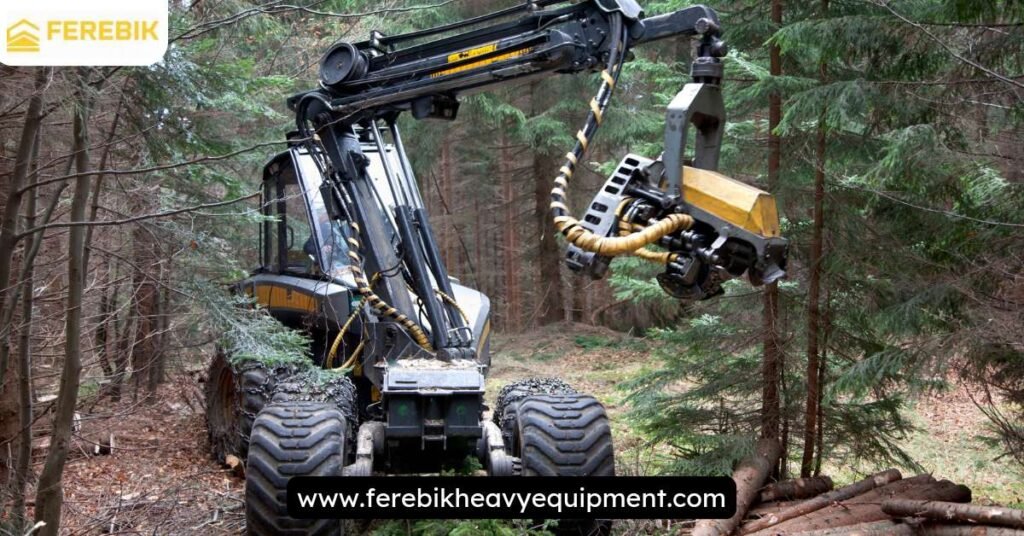
While a feller buncher is focused on dropping wood quickly, a harvester is about doing the whole job neatly. Used in a system called “cut-to-length” (CTL), a harvester does more than just cut the tree down. Its computer-controlled head grabs the trunk, pulls off the branches (delimbing), and cuts the trunk into exact log lengths right where the tree fell (bucking).
This method leaves the branches and tops on the ground to make a soft mat for the machine to drive on, which is better for the soil. For thinning a forest or working in sensitive areas, the harvester is a must-have machine.
The Movers: Taking the Wood to the Road
Once the trees are on the ground, the hardest part—getting the wood to the loading area—begins. This is where the land is often tricky. This leads to the main debate: the skidder versus the forwarder.
The Big Question: Skidder vs Forwarder for Steep Terrain
The machine you choose here depends on your cutting method and the lay of the land.
A skidder drags logs across the ground from the stump to the loading zone. Grapple skidders use a giant claw to pick up ready-made piles and are very fast on flat ground. Cable skidders use a wire rope (winch) to pull logs to them, which is slower but needed for reaching trees in deep ditches where the machine can’t drive.
A forwarder works with the harvester. It’s an articulated truck with a big crane and a log bed. Instead of dragging logs, it lifts the cut logs entirely off the ground and carries them to the roadside. This is much gentler on the soil.
When looking at a skidder vs forwarder for steep terrain, the skidder is often stronger at climbing because it sits lower and has big, tough tires or tracks. But dragging logs downhill can rip up the soil. A forwarder is kinder to the environment because it carries the load, but it might struggle on super steep hills when full.
The All-Rounders: Excavators in the Forest
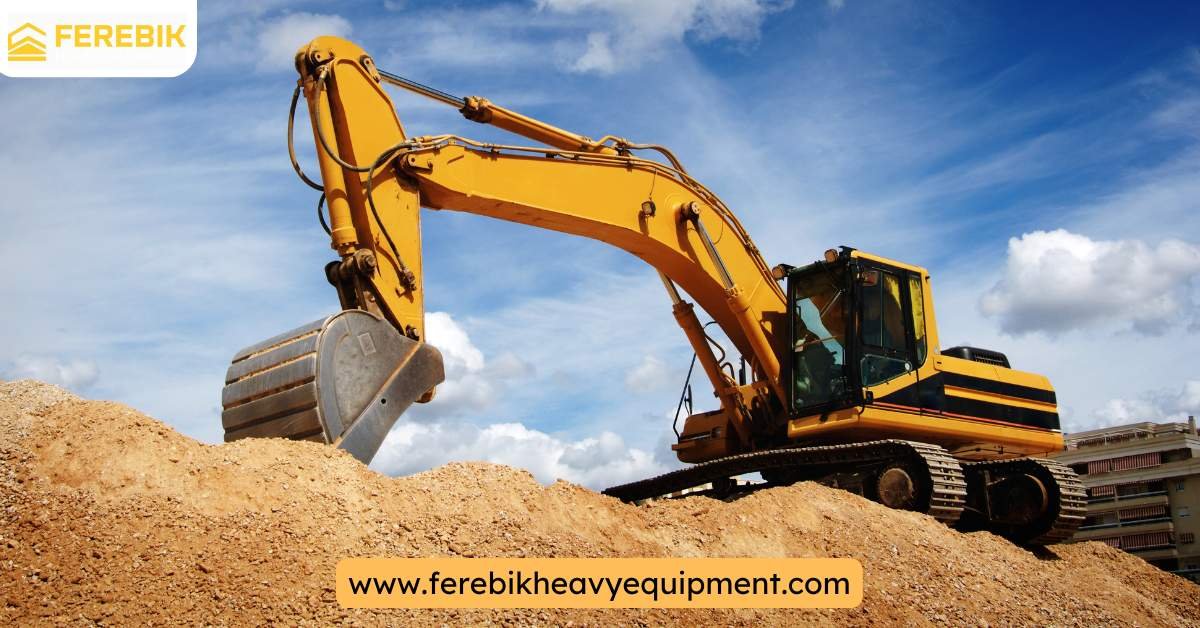
Sometimes the best forestry equipment for timber and logging work is a machine not originally made for the forest! Excavators (the digging machines) have become popular in the woods because they can do so many things.
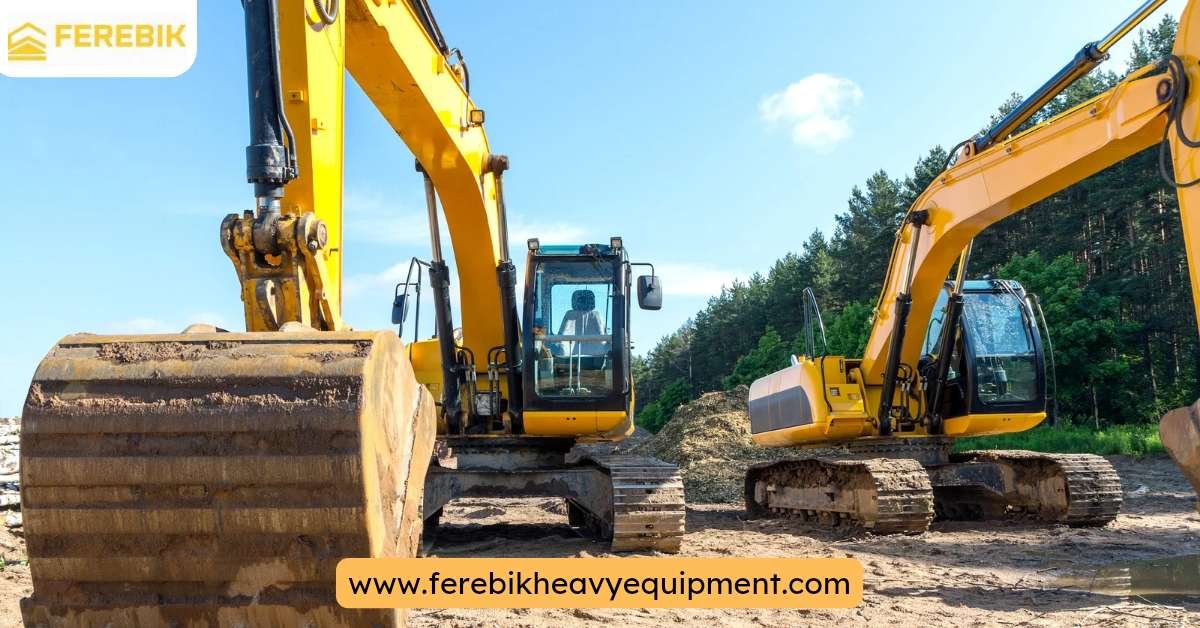
By simply changing the digging bucket for a special forestry attachment, an excavator can cut trees, process logs, or load trucks. With a special arm, they can even move logs across swampy ground where wheeled machines would get stuck. If a contractor needs a machine that can dig dirt one season and cut trees the next, a tough excavator is a very smart buy.
Getting the Machines: Buying vs. Renting
Buying the powerful machines needed for logging takes a massive amount of money. A new giant forwarder or tracked feller buncher costs so much that it can scare even long-time companies.
This is why working with a good equipment company is smart. Instead of buying every machine and dealing with high costs, many successful logging companies own some machines and rent others.
Companies like Ferebik Heavy Equipment understand this need. They help fill the gaps by offering strong, reliable machines like excavators and dozers that can be used for logging, without making you buy them forever. If you get a big land clearing job that lasts six months, it’s much cheaper to rent a specific dozer or a big excavator than to buy one. Having a reliable partner for rentals means you have the power you need, exactly when you need it.
Cleaning Up and Preparing the Land
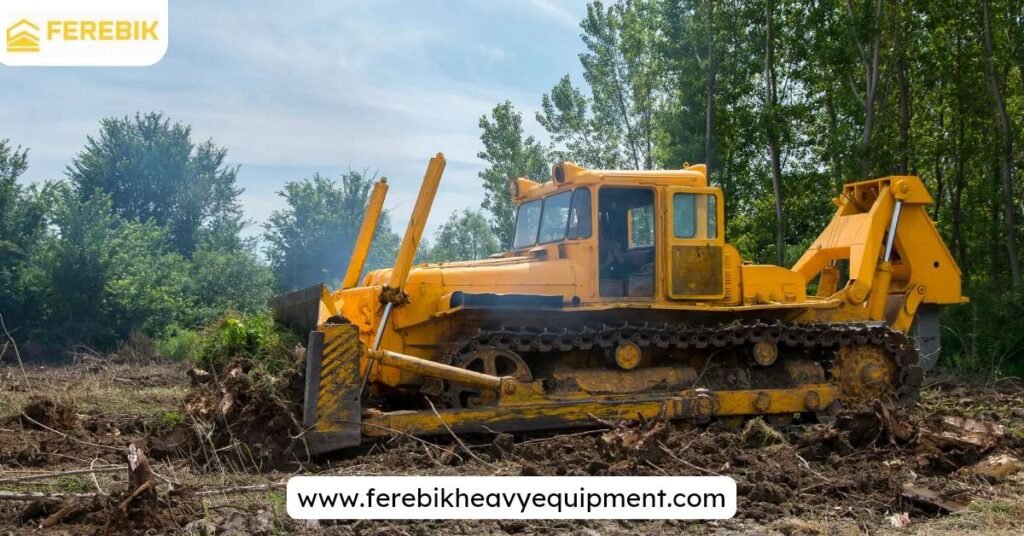
Logging isn’t just about cutting the biggest trees; it’s also about clearing the land after the harvest or getting it ready for new trees.
Bulldozers
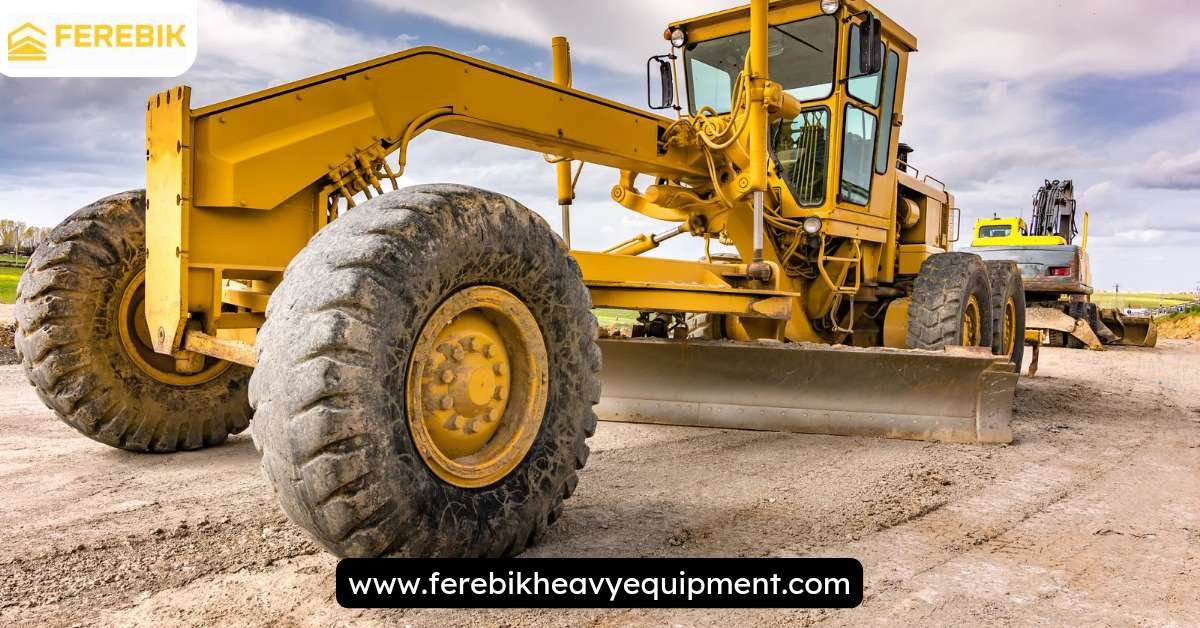
The dozer is a quiet hero in logging. Before any log truck arrives, the dozer is building roads, clearing spaces for the loading area (landings), and moving big piles of debris.
The Cleanup Tools: Forestry Mulcher vs Bush Hog
When dealing with thick bushes and left-over tree parts, you need to clear the land. Many people think a basic farm bush hog is strong enough for this job.
When you look at a forestry mulcher vs bush hog, they are totally different. A bush hog is made for cutting tall grass and light weeds. It cuts the material and leaves it sitting on top of the ground.
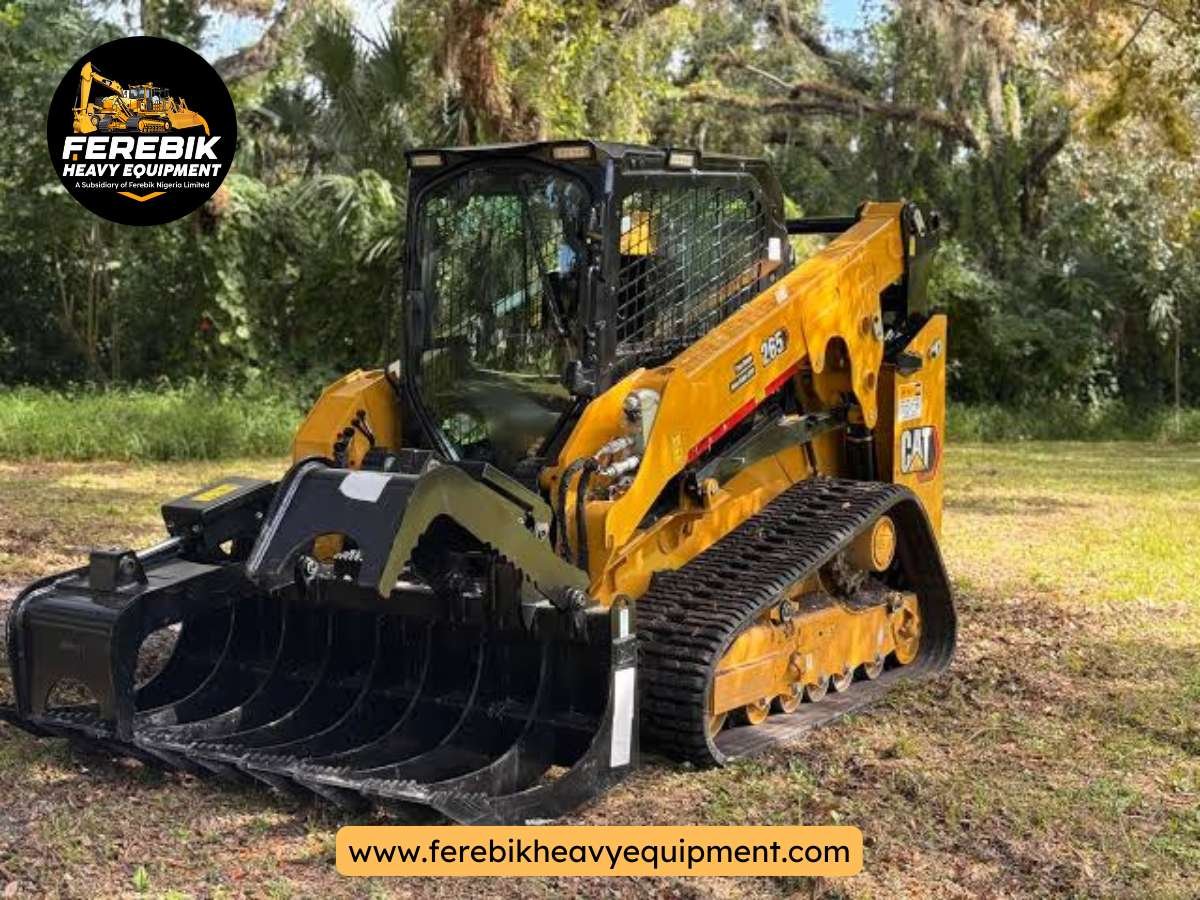
A forestry mulcher, which is usually attached to a powerful track loader, is a true destroyer. It has a fast-spinning drum with hard teeth that can grind up trees up to 8 inches thick, turning stumps and brush into a fine material that mixes into the soil. If you need to truly clear land of heavy wood and stumps, a bush hog just can’t compare to a dedicated mulcher.
Why Keeping Your Machines Running Matters
In logging, if your machines aren’t working, you aren’t making money. The tough work in the forest means machines get hit and worn out every day. Hoses break, the tracks hit rocks, and engines run hot all the time.
Because of this, the best Forestry Equipment for Timber and Logging maintenance is not just something you do; it’s one of the most important parts of your business. If you skip daily greasing or ignore oil leaks, the machine will break down, usually when you are deep in the woods and far from help.
This is another reason why choosing good equipment suppliers is so important. When you rent or buy from a company like Ferebik Heavy Equipment, you are getting more than just the machine. You get the promise that the machine has been properly checked and serviced before it comes to your job site. Starting a job with reliable equipment reduces the chance of expensive breakdowns that can stop your whole job.
Final Thoughts on Picking Your Gear
Choosing the best forestry equipment for timber and logging work is like solving a puzzle that changes with every job. A crew cutting pine trees in a flat area needs completely different machines than a team cutting hardwood on rocky mountains.
Success comes from knowing your ground, understanding who you will sell the wood to, and balancing the need for speed with the costs of running the machine and caring for the environment. Whether you need a quick skidder for steep hills, a versatile excavator, or a mulcher for cleanup, having the right tough equipment is the only way to make sure the wood gets to the factory.