Choosing the best agricultural equipment for small and large farms is key to boosting productivity, saving labor, and keeping your operations running smoothly. Farming in 2026 will evolve rapidly, and whether you oversee a small plot or a sprawling commercial farm, the right machines can mean the difference between a successful season and unnecessary struggles. With smarter tools, more efficient machinery, and modern technology, farmers can accomplish more in less time. Let’s dive into which equipment suits your farm best and how to get the most out of every investment.
Key Factors to Keep in Mind When Choosing Agricultural Equipment
Picking the right machinery goes beyond buying the latest model. Consider these essentials when choosing the best agricultural equipment for small and large farms:
1. Farm Size and Crop Type
Your farm’s size determines what machines you need. Small farms thrive with compact tractors and mini-tillers, while large farms require full-sized tractors, combine harvesters, and industrial seeders. Crop type also matters. Grain, vegetables, or fruit each require specific equipment for planting, irrigation, and harvest.
2. Budget and Financing Options
Not every farm has the same budget. Renting machinery can be cost-effective for small farms, especially during planting and harvest seasons. Large farms may prefer buying outright, spreading costs over multiple seasons. Exploring financing or leasing options also makes expensive machines accessible.
3. Terrain and Soil Conditions
Hilly, uneven, or soft soil impacts how machinery performs. Heavier tractors may compact soil too much, affecting crop yield. Matching equipment to your terrain ensures machines work efficiently without causing problems.
4. Maintenance and Fuel Efficiency
Reliable, fuel-efficient machines reduce downtime and operating costs. Choosing equipment that’s easy to service and maintain keeps your farm running smoothly.
5. Spare Parts and Support
Even the best machines need occasional repair. Ensure spare parts are available locally and that qualified technicians can service your equipment when needed.
Must-Have Equipment for Small Farms
Small farms need machinery that’s versatile, easy to handle, and affordable. These best agricultural equipment for small farms save time and energy:
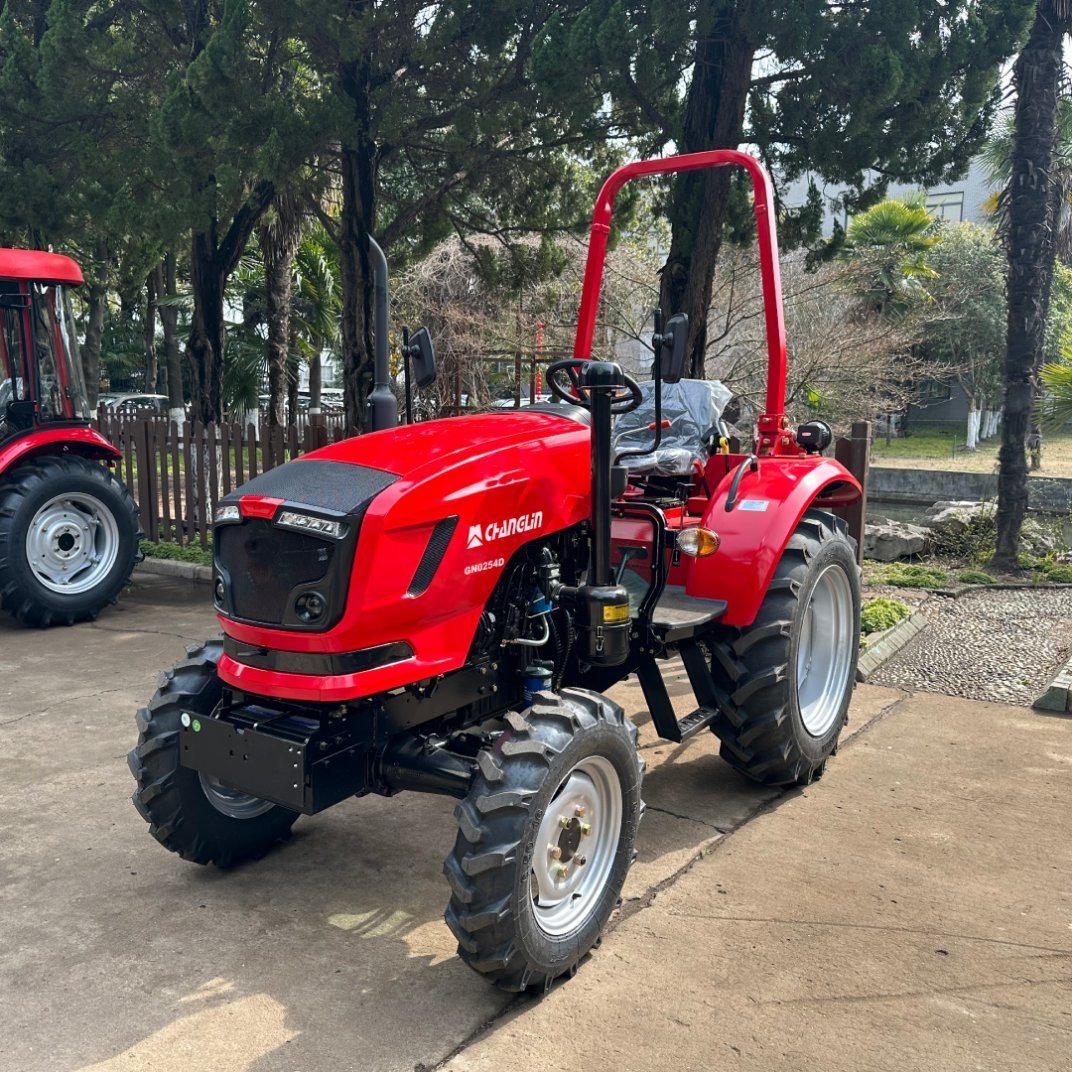
1. Compact Tractors
Compact tractors handle plowing, hauling, and light-duty tasks without taking up too much space. Their size lets you navigate tight areas without damaging crops.
2. Mini Tillers and Cultivators
Mini tillers break up soil and mix in nutrients quickly, cutting down on hours of manual labor. Perfect for vegetable gardens or small plots.
3. Seeders and Planters
Even crop distribution matters. Small-scale seeders and planters make planting faster and more precise, improving germination rates.
4. Sprayers and Irrigation Equipment
Proper hydration is key. Portable sprayers and small irrigation setups ensure crops get water and nutrients without overwatering or wasting resources.
5. Small-Scale Harvesters
Harvesting by hand is slow. Small-scale harvesters speed up the process for vegetables, grains, and legumes, letting farmers harvest at peak quality.
Essential Equipment for Large Farms
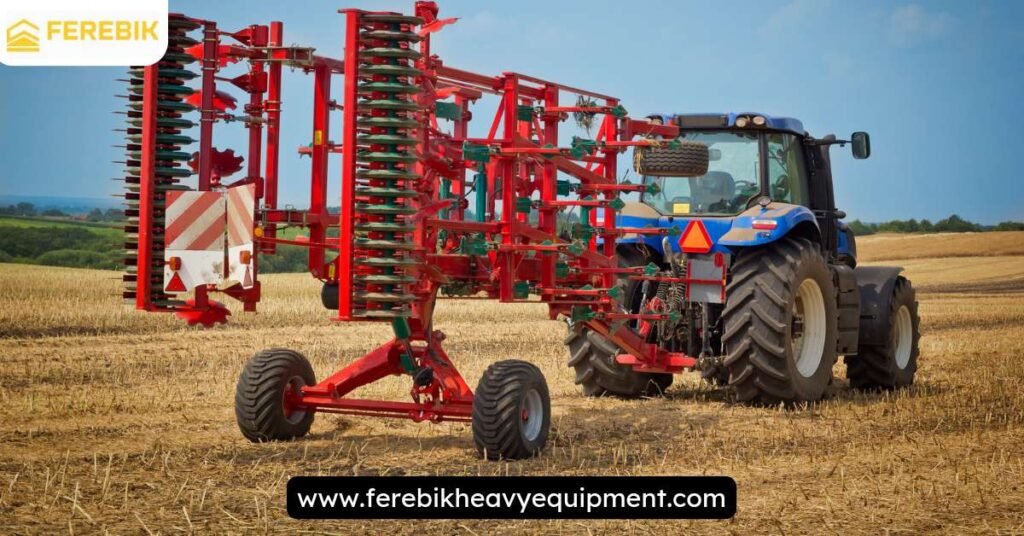
Large farms need heavy-duty, reliable machinery to handle vast acreage efficiently.
1. Full-Sized Tractors and Loaders
These machines handle plowing, harrowing, and transporting crops with ease. Loaders help move materials like hay, fertilizers, or harvested produce.
2. Combine Harvesters and Threshers
Combine harvesters streamline harvesting, threshing, and cleaning in one pass. For large grain farms, they save labor and reduce crop losses.
3. Large-Scale Planters and Seed Drills
For extensive acreage, large-scale planters ensure even seeding, helping crops grow consistently and maximizing yield.
4. Irrigation Systems for Big Farms
Automated irrigation systems save water and time, keeping crops healthy across multiple acres. Pivot systems and motorized drip irrigation networks are particularly effective.
5. Transport and Material Handling Machines
Heavy-duty trucks, tractors, and telehandlers move crops, fertilizers, and machinery quickly, preventing delays and spoilage.
Emerging Agricultural Technologies for 2026
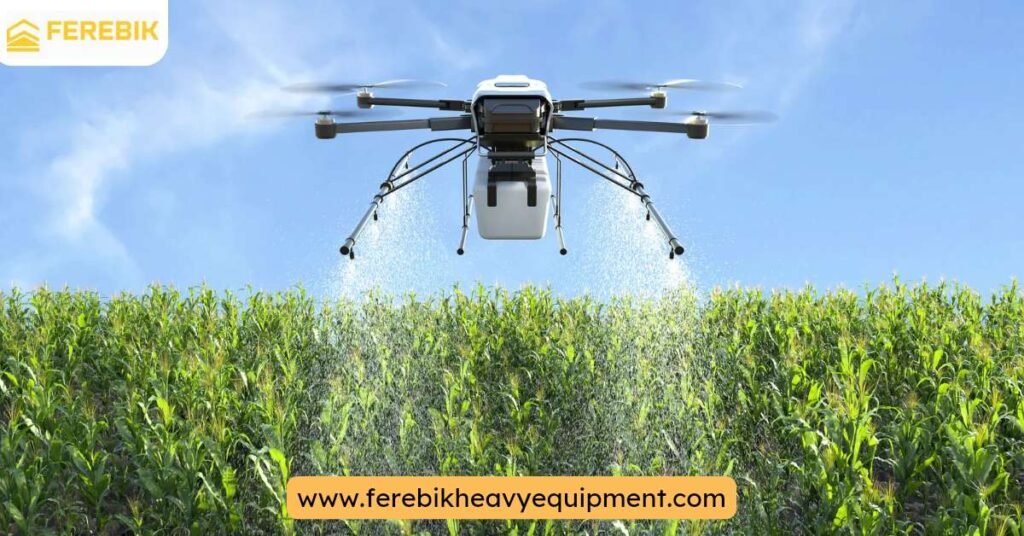
Modern farming isn’t just about bigger machines – it’s about smarter tools. The best agricultural equipment for small and large farms work include/have these tools;
1. GPS-Guided Machinery
GPS-enabled tractors and harvesters reduce overlap, save fuel, and make planting and harvesting more precise.
2. Drones for Crop Monitoring
Drones give aerial views of fields, helping detect irrigation issues, pest infestations, or crop stress early.
3. Smart Irrigation Systems
Sensors monitor soil moisture and weather, delivering water only where needed. This saves water and keeps crops healthy.
4. Automated Feeding Systems for Livestock
For mixed farms, automated feeding systems reduce labor and ensure animals get the right nutrition consistently.
5. Eco-Friendly and Fuel-Efficient Machines
Hybrid tractors and fuel-efficient equipment help farmers reduce costs and carbon footprint.
Rental vs. Buying Agricultural Equipment
Deciding whether to rent or purchase best agricultural equipment for small and large farms depends on your farm size and needs.
Small Farms:
Renting high-end machinery during peak seasons allows smallholders to access technology without a huge upfront cost.
Large Farms:
For year-round operations, buying machinery provides flexibility and long-term value. Ownership also allows customization and better control over maintenance schedules.
Cost-Benefit Analysis:
Consider usage frequency, storage, maintenance costs, and depreciation. The right choice maximizes productivity while minimizing expenses.
Maintenance Tips to Extend Equipment Life
Proper care of the best agricultural equipment for small and large farms keeps these equipment running efficiently year after year. They include:
- Scheduled Servicing: Stick to manufacturer-recommended maintenance timelines.
- Safe Storage: Protect machines from weather to prevent rust and wear.
- Fluid Checks: Monitor fuel, oil, hydraulic fluids, and coolant regularly.
- Operator Training: Skilled handling reduces accidents and wear.
- Timely Repairs: Fix small issues before they become major problems.
How Ferebik Heavy Equipment Supports Farmers
Navigating the best agricultural equipment for small and large farms options can be overwhelming, but Ferebik Heavy Equipment makes it easier. They offer:
- A wide selection of machinery for small and large farms, from tractors to irrigation systems.
- Rental services for short-term or seasonal needs.
- Guidance on selecting the right equipment based on farm size, crop type, and terrain.
- Maintenance support to keep machinery running smoothly, minimizing downtime and maximizing yield.
With expert advice and access to reliable machines, farmers can focus on growing crops rather than worrying about equipment.
Conclusion
Investing in the best agricultural equipment for small and large farms for 2026 is critical for efficiency, profitability, and growth. Compact tractors, mini-tillers, and seeders serve small farms well, while full-sized tractors, combine harvesters, and large-scale irrigation systems are essential for large operations.
By adopting modern technology, scheduling maintenance, and making smart rental or purchase decisions, farmers can maximize crop yields and safeguard their investment. And when you need professional support, Ferebik Heavy Equipment provides tailored solutions that help farms of every size succeed.
Take the step today—equip your farm wisely and harvest the benefits of smarter, more productive farming.