Operating heavy machinery isn’t just a job; it’s a constant negotiation with potential disaster. The sheer noise, the weight, the moving hydraulics—one moment of distraction is all it takes for a situation to go horribly wrong. That’s why safety tips for heavy equipment isn’t a stack of boring paperwork; it’s the non-negotiable insurance policy for everyone on site.
Why We Talk Safety (Again and Again)
Every veteran on a construction site knows the feeling: the rush, the tight deadlines, the pressure. Cranes swinging high, excavators chewing dirt, loaders running back and forth. In that rush, it’s easy to think, “I’ve done this a thousand times, I don’t need to check.” But that single lapse can derail a multimillion-naira project or, worse, cost a life.
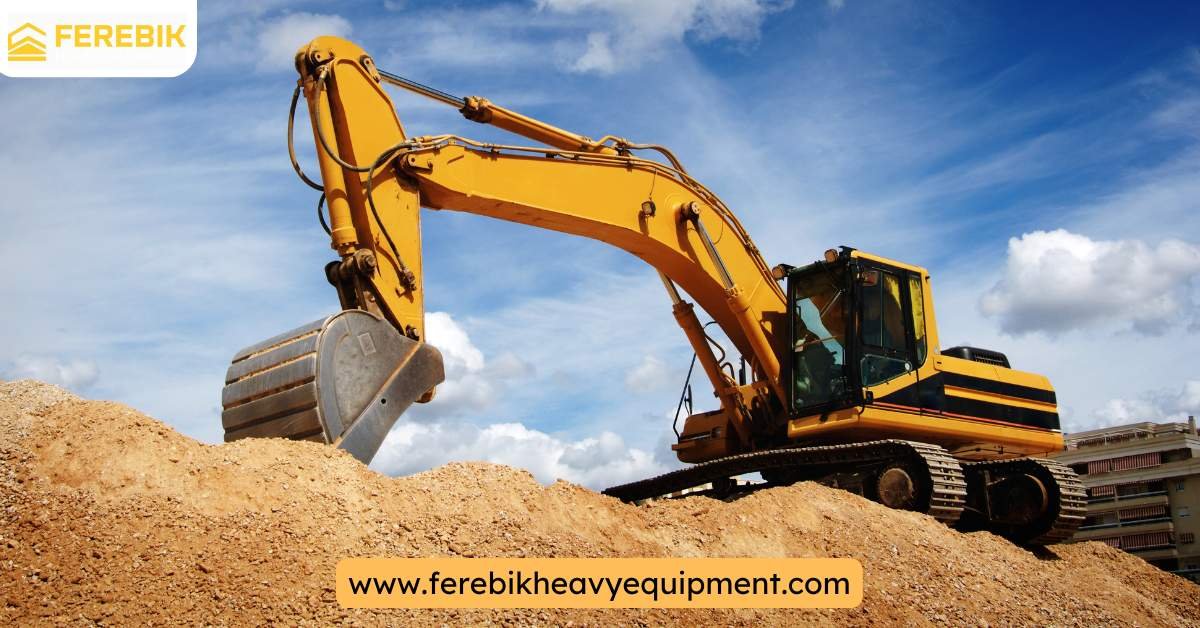
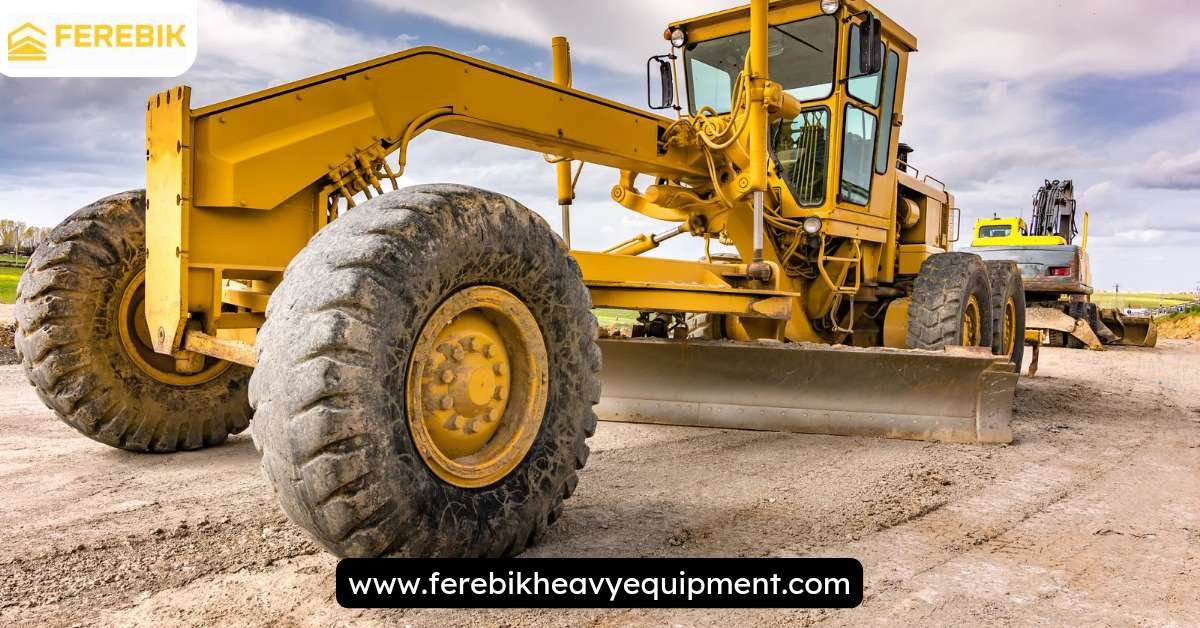
When we talk about “heavy equipment,” we mean those unforgiving monsters of metal: the dozers, cranes, graders, and loaders. They demand respect.
Let’s ditch the textbook and talk about the practical, smartest ways to keep your team and your gear intact. (And yes, we’ll mention how partners like Ferebik Heavy Equipment build this safety mindset right into their service.)
9 Smart Habits That Keep You Alive on Site
1. The Pre-Shift Ritual: Stop Treating It Like Busywork
Before the key turns, slow down. This isn’t just about ticking boxes; it’s about protecting yourself.
- Walkaround: How are the fluids? Brakes sharp? Are there any strange warning lights flickering or loose bolts?
- The Ground Check: Look at your immediate surroundings. Yesterday’s light drizzle could mean a sinkhole today. Is the area clear of trenches or overhead power lines?
The Reality Check: A smart crew runs a quick hazard assessment every single morning because no two days are truly alike. Ferebik Heavy Equipment actually embeds these detailed routines into their operator training, making the safe start-up routine second nature.
2. Getting In and Staying Focused
Climbing into a cab doesn’t sound dangerous until someone slips on a greasy step and breaks an ankle. Always maintain three points of contact when mounting or dismounting. Never jump, no matter how much the foreman is rushing you.
Once you’re seated, you’re locked in. Phones, snacks, even that strong coffee—they can wait. A text message is not worth driving a 15-ton excavator into a stack of scaffolding. Fatigue is the silent enemy here; if you’re yawning, swap out or take five. Tired minds make reckless, slow moves.
3. Operate the Machine, Don’t ‘Hack’ It
Experience is great, but it doesn’t excuse shortcuts. The moment you decide to “just push it a little harder” or try a “quick fix” for a minor problem, you’re asking for trouble.
- Strap Up: If there’s a seatbelt, use it. Period.
- Blind Spots Are Real: Heavy equipment has acres of them. Always rely on cameras, well-adjusted mirrors, or, best of all, a trusted spotter to navigate tight corners.
- Talk, Don’t Shout: Use clear hand signals or proper radios for coordinating movement. Shouting or guessing signals is a recipe for chaos. Stick to the safety tips for heavy equipment.
4. Taming the Site Traffic Chaos
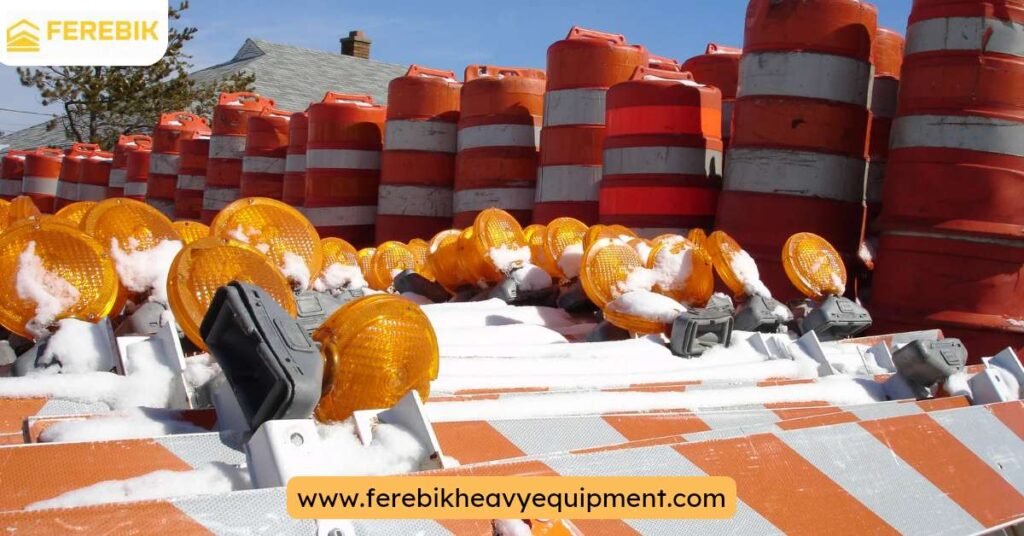
A busy construction site is a mess waiting to happen. It’s a small city where trucks, machines, and people are all moving at once.
- Make it Clear: Properly mark pedestrian walkways, install safety barriers, and place clear warning signs.
- Spotters Are Your Heroes: They are invaluable when you’re backing up or maneuvering near other crews. Give them the respect and attention they deserve.
5. Be Seen, Be Safe (It’s Not a Fashion Show)
If you’ve ever nearly backed up on a colleague wearing dark clothes, you know why visibility is critical. High-vis vests, hard hats, gloves, steel-toe boots—the PPEs aren’t optional fashion accessories; they are non-negotiable survival gear.
Make sure your machine is visible too. Lights, reverse alarms, and mirrors must be spotless and functional. When everyone can see and be seen, the probability of disaster drops to near zero.
6. Respect the Load Limit and the Landscape
Overconfidence here can ruin your day—and your life. Do not overload. Stick to the manufacturer’s load limits. It is a hard limit, not a suggestion.
Before you lift or haul, scan the terrain like a pilot preparing for takeoff. Loose soil? A sneaky slope? Uneven ground? Any of these can send a multi-ton machine tumbling. For safety tips for heavy equipment, always inspect your surroundings and avoid operating during heavy winds or rain unless you absolutely have to.
7. Communication is the Engine of Safety
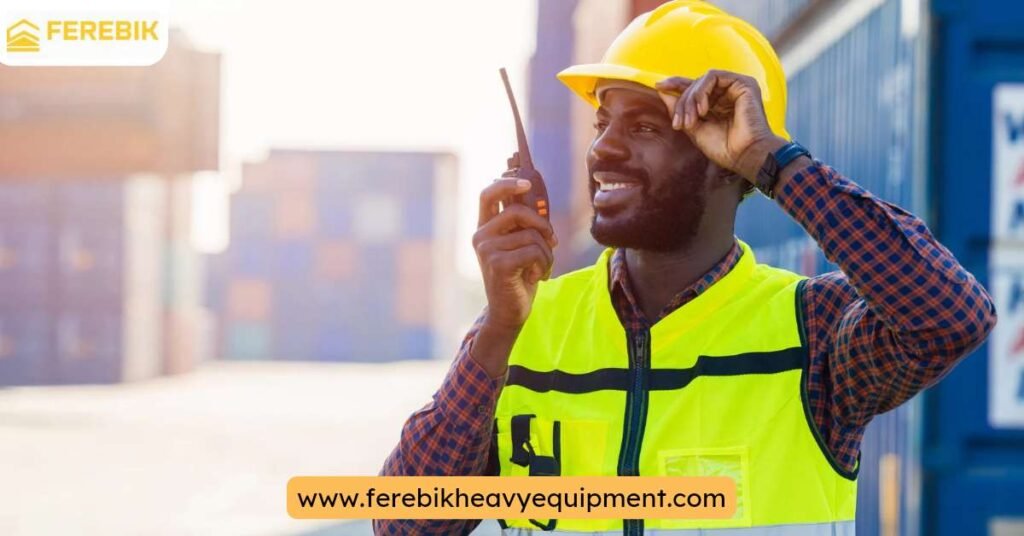
Every successful job runs on clear talk. Before the shift starts, brief the crew. Everyone must know who is moving what and when. The spotter and the operator need to be a single unit.
A loud, clear “STOP” or “ALL CLEAR” signal prevents catastrophes. Don’t let your comms equipment get complicated; simplicity prevents confusion in a critical moment.
8. The “Plan B” (When Things Go Sideways)
No matter how perfect the prep, things fail. That’s why you need a crystal-clear emergency plan.
Does everyone know: where the first-aid kits are? How to shut down a machine instantly? Where the assembly point is? Train your team to handle rollovers, unexpected breakdowns, and near-misses without panic. Using near-misses as safety tips for heavy equipment is how your system gets stronger.
9. Maintenance: Listen to the Machine
Machines don’t usually fail without a warning; they squeak, vibrate, and stutter first. Keep detailed service logs, follow the schedule, and never skip a check because “it ran fine yesterday.”
Encourage your team to speak up when something feels even slightly off. A small sign of trouble prevents a massive disaster later. It’s worth noting that Ferebik Heavy Equipment builds its reputation not just on solid machinery, but on after-service maintenance and support. A reliable machine is a safe machine.
Before We Finish the Day
Safety tips for heavy equipment isn’t about paperwork only; it’s about protection. It keeps families whole and projects running smoothly.
Take the time to train your team, inspect your machines, and keep communication channels wide open. These principles hold true whether you’re on a quiet suburban build or a roaring mega-site. When choosing a partner who values safety as highly as you do, look for the proof: safe machines, smart support, and reliable work. That’s the real goal.